
Gut Health and Sexual Wellness: What the Connection Actually Means (and What It Doesn't)

If you've spent any time in wellness spaces lately, you've probably seen some version of this claim: fix your gut, fix your libido. It shows up in supplement ads, influencer captions, and podcast sponsorships with enough confidence that it's easy to assume the science is settled. It isn't. But that doesn't mean there's nothing real here — the gut-body connection is genuinely interesting, and it does have some meaningful overlap with sexual and pelvic health. The problem is the gap between what research actually shows and what supplement brands want you to believe.
Let's work through what's real, what's exaggerated, and what it means for building a wellness routine that actually serves you.
The gut-hormone link: what's established vs. what's a stretch
The gut microbiome — the community of bacteria and other microorganisms living in your digestive tract — does play a role in how your body processes hormones. There's a specific subset of gut bacteria sometimes called the "estrobolome" that helps metabolize estrogen. When that community is disrupted, estrogen metabolism can be affected. This is real, documented biology, and researchers at institutions like the National Library of Medicine have explored the relationship in the context of hormonal conditions.
What's not established: that taking a probiotic supplement will meaningfully raise your libido, improve arousal, or fix hormonal imbalances. The leap from "gut bacteria influence estrogen metabolism" to "this probiotic will boost your sex drive" is enormous, and most supplements aren't making it across that gap. The research is promising but early, and most of it involves clinical populations — not healthy adults looking for a wellness edge.
So: the connection is real. The marketing is ahead of the science.
Where gut health and intimate health genuinely overlap
There are a few places where digestive and pelvic health share real physiological territory, and they're worth understanding on their own terms.
The pelvic floor. The same group of muscles that supports your bladder and bowel function also plays a direct role in sexual sensation and arousal. Chronic digestive issues — bloating, constipation, straining — can create tension or dysfunction in the pelvic floor over time. This isn't a gut-libido shortcut; it's a mechanical reality. A pelvic floor that's chronically overworked or tight can affect comfort during sex, sensitivity, and ease of arousal. Addressing gut health for the sake of pelvic floor health is a legitimate, grounded reason to care about your digestion.
Inflammation. Chronic low-grade inflammation, which can be influenced by gut health, is associated with a range of systemic effects — fatigue, mood disruption, and hormonal irregularities among them. None of these are direct libido switches, but they're genuine quality-of-life factors that affect how you feel in your body, which affects intimacy. This is a real pathway, even if it's indirect.
The gut-brain axis. The gut and brain communicate constantly through the vagus nerve and via neurotransmitter production — the gut produces a significant portion of the body's serotonin. Mood, stress response, and anxiety all feed into sexual desire. A gut that's chronically inflamed or dysbiotic can contribute to mood disruption, which can dampen desire. Again: real connection, indirect pathway, not a simple fix.
What this doesn't mean
It doesn't mean your libido problems are a probiotic deficiency. Low desire has many causes — stress, relationship dynamics, hormonal shifts, medication side effects, sleep deprivation, body image, and more. Gut health is one thread in a much larger picture, and treating it as the primary lever is both scientifically unsupported and potentially distracting from things that would actually help.
It also doesn't mean you need an expensive supplement stack. Fiber-rich food, adequate hydration, sleep, and stress management do more for gut health than most supplements on the market — and they're cheaper. If you're looking at a probiotic for general digestive comfort, that's reasonable. If you're buying one because an ad promised it would improve your sex life, that's the marketing talking.
Building a wellness routine that actually serves your whole body
The most useful reframe here is to stop thinking about gut health, sexual wellness, mental health, and physical fitness as separate tracks that need separate product categories. They're all downstream of the same foundations: how you sleep, how you move, how you manage stress, and how comfortable you feel in your own body.
Comfort in your body matters enormously for intimacy. That includes physical comfort — lubrication, sensation, ease — and psychological comfort: feeling at home in yourself, feeling safe to explore, feeling like your desires are valid. These aren't things a probiotic can give you, but they are things you can actively build.
Part of that is having the right tools. Using a quality lubricant, for instance, isn't a luxury add-on — it directly affects physical comfort and sensation, which affects how pleasurable and relaxed intimacy feels. Choosing the right lubricant for your body and activities is a practical, evidence-grounded wellness decision. So is using body-safe materials in any intimate products you choose — your mucous membranes are far more absorptive than skin, and material quality genuinely matters.
If you want to go deeper on what body-safe actually means in practice, this guide to body-safe silicone covers the specifics clearly.
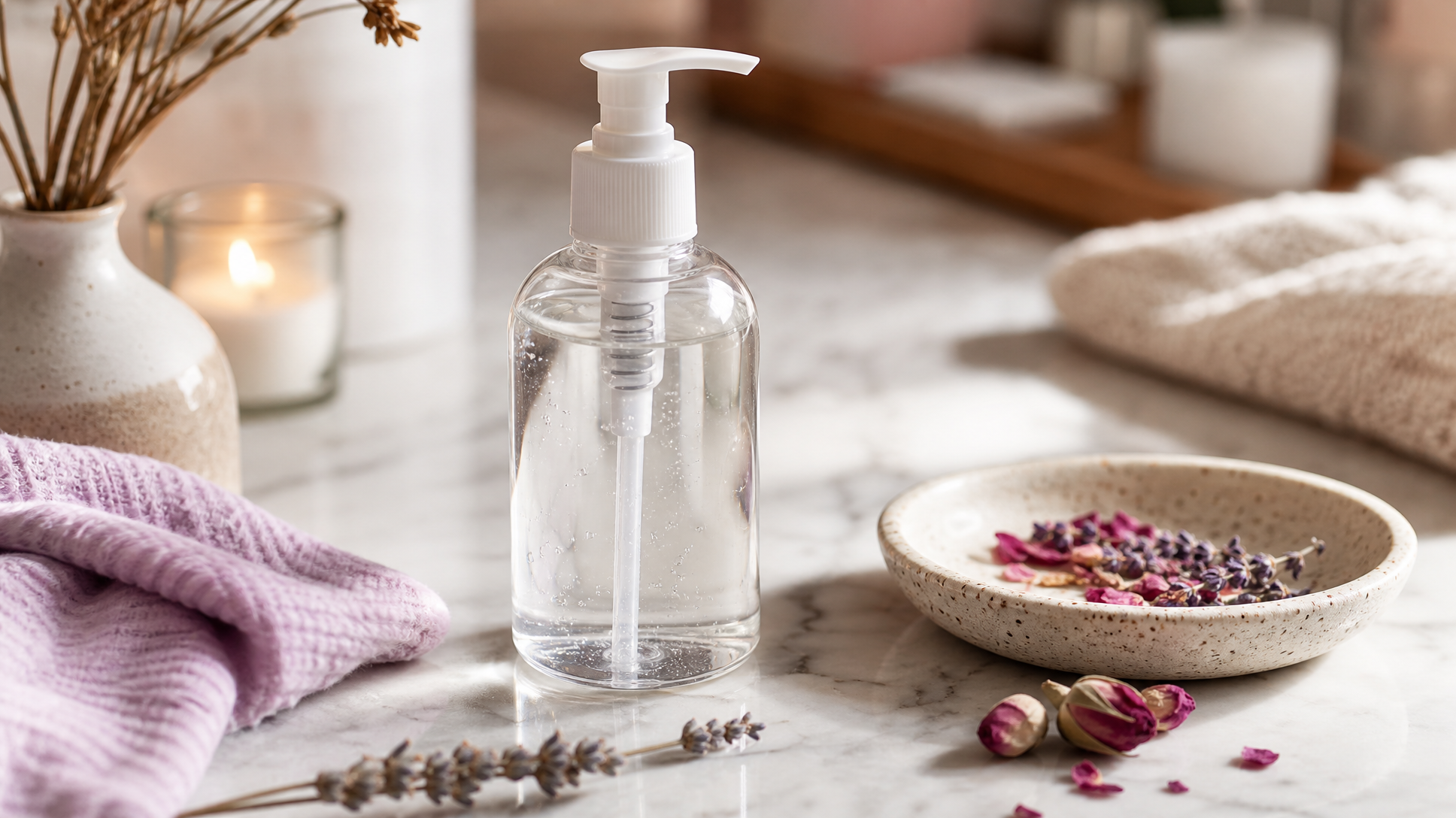
The broader point: a complete intimate wellness routine isn't built on supplements alone. It's built on physical comfort, psychological ease, good communication (with partners or with yourself), and products that are actually safe for your body. Gut health is a real piece of the picture — just a smaller, more indirect piece than the wellness industry tends to admit.
The honest bottom line
The gut-sexual wellness connection is real enough to be worth understanding, and not real enough to be worth buying a $60 supplement over. Take care of your gut because it affects your energy, your mood, your pelvic floor, and your overall sense of feeling well — not because an ad promised it would fix your libido by Tuesday.
Your sexual wellness is worth investing in directly. That means body-safe products, the right lubricants, honest conversations, and a relationship with your own body that's built on curiosity rather than shame.
While you're building out a fuller wellness routine, explore PersonalCrave's range of lubricants and body-safe intimate products — everything ships in plain, unbranded packaging, and orders over $49 get free shipping across the USA. Use code WELCOME5 for a discount on your first order.
Frequently Asked Questions
Can improving gut health actually increase libido?
Indirectly and partially — but not in the straightforward way supplement ads suggest. Gut health influences hormone metabolism, mood via the gut-brain axis, and pelvic floor function, all of which can affect how you feel and your interest in intimacy. But there's no established research showing that taking a probiotic directly increases libido in healthy adults. If low desire is a concern, factors like stress, sleep, hormonal changes, and relationship dynamics are usually more significant levers.
What does the pelvic floor have to do with digestion?
The pelvic floor is a group of muscles that supports both your pelvic organs and your digestive tract. Chronic digestive strain — from constipation, bloating, or straining — can create tension and dysfunction in those muscles over time. Since the pelvic floor also plays a direct role in sexual sensation and comfort, keeping it healthy through good digestion (and, for some people, pelvic floor physical therapy) has a real impact on intimate wellness.
Are probiotics safe to take alongside intimate wellness products like lubricants?
Generally yes — oral probiotics and topical intimate products like lubricants work in completely different parts of the body and don't interact. That said, if you're using a vaginal probiotic specifically (a different category from oral supplements), it's worth checking compatibility with any lubricants or products you use. When in doubt, look for body-safe, pH-balanced lubricants and check with a healthcare provider about any vaginal probiotic use.
What should I actually look for in a lubricant for sensitive or easily irritated skin?
Look for lubricants that are free from glycerin, parabens, and harsh fragrances, as these are the most common irritants for sensitive tissue. Water-based formulas are generally the most versatile and easiest to clean up. If you have specific sensitivities or a history of yeast infections or bacterial vaginosis, a pH-balanced formula is worth prioritizing. Our guide to lubricants for sensitive skin goes into more detail on what to look for and what to avoid.